

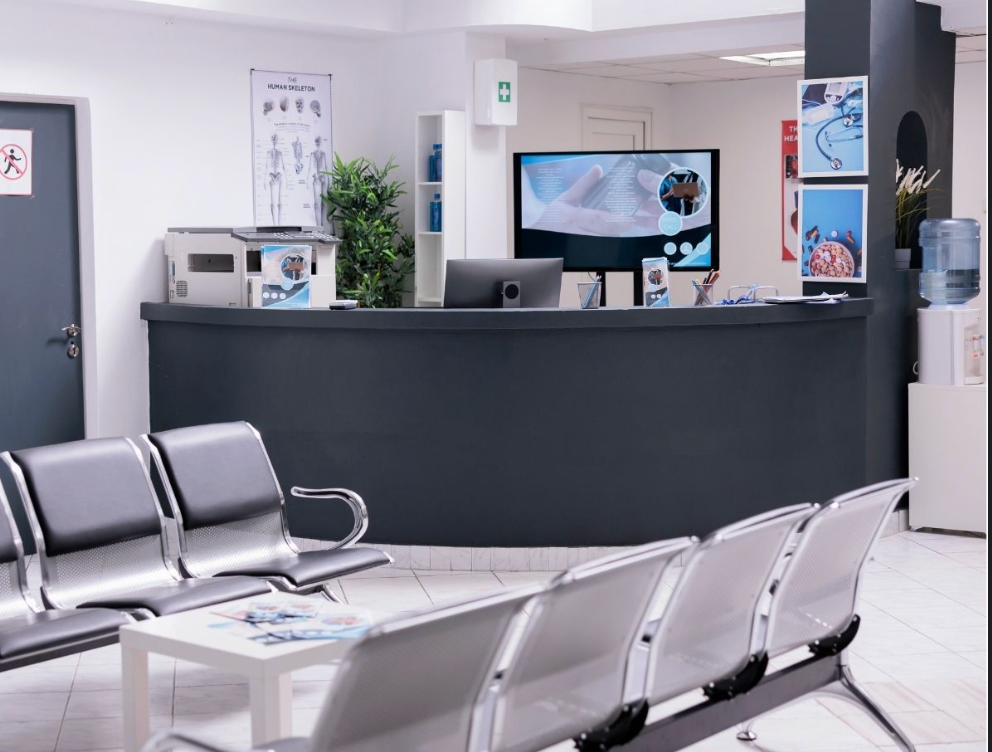
Four thousand dollars was gone before the first haircut. Stations, clippers, a sterilizer and the security deposit took all of it, which is why rent to own furniture pa ends up in a barber’s search bar three weeks out from an opening date in Beaver Falls. The argument here is narrow and it holds up: buy the equipment that earns money, rent the furniture that only fills space, and open on the date the lease says. A waiting area with nothing in it will not stop a shop from cutting hair, but it does tell every walk-in that the place is not finished.
Startup Cash Belongs In Revenue Producing Tools
Barber chairs earn. A station, a mirror, clippers and a sterilizer that satisfies the state board all convert directly into paid appointments, and none of them can be skipped or delayed. Waiting room seating does not work that way. It holds people who have already committed to sitting down, and it can be swapped for something nicer in year two without a single client noticing the change. That difference is the entire allocation rule for a shop working from one fixed pot of cash.
Renting the soft goods is not a fringe workaround. In a May 2026 industry review, APRO, the rent-to-own trade association, reported that rent-to-own retailers supplying appliances and washers nationwide operate roughly 5,445 stores and employ more than 34,000 full-time workers. That is a mature supply chain rather than a corner of the market. For a shop owner in western Pennsylvania the practical read is that the inventory, the delivery routes and the return process already exist nearby, so the real question is whether the weekly figure fits the budget.
Then there is what a leasing agent calls the fit-out period, meaning the stretch between signing the lease and opening the doors, when rent is due and nobody is paying you for anything yet. What usually turns up in a first-year barber’s budget is that this stretch runs two or three weeks longer than planned, and the overrun lands on whatever got bought last. Furniture purchased in week one sits in a room that is not open. Every dollar has to pull its weight, and a sofa cannot do that until the door is unlocked.
Working A Waiting Area Through The Numbers
Run the comparison as cash flow, not as a purchase price. A shop owner typing rent to own furniture pa into a phone at midnight is usually asking one thing: what does this cost me per week while the appointment book is still half empty? Buying answers with a single large number in week zero. A weekly agreement answers with a small number repeated, plus the option to stop, and those two answers behave very differently against a lease clock that has already started running.
Take that two chair shop with roughly $4,000 of startup cash, most of it already committed to stations and tools. Four waiting chairs at $180 each is $720, two side tables at $95 each adds $190, and a rug to cover the bare concrete runs about $140, so buying the room outright comes to $1,050 before delivery. Say a weekly agreement on a comparable set runs $28. Thirteen weeks of that is $364, and the shop still holds $686 it never had to spend during the quarter when appointments are thinnest. Many agreements credit those payments toward eventual ownership, though terms differ by retailer and by item, so confirm that before signing anything.
What I cannot pin down is how often that buyout actually gets exercised. Nobody publishes a clean figure on how many small operators convert a rental agreement into ownership inside the first year, and the shop owners I have asked split about evenly with no pattern I can defend. Treat the buyout as an option you may or may not use, then price the whole decision on the weekly number by itself. If the weekly figure still works in the version where you never buy, the arrangement is safe.
Seat The Room Last And Open On Schedule
Order matters more than most opening checklists admit. Equipment and licensing come first, because the state board inspection gates the opening date and nothing else moves until that passes. Signage and the point of sale system come next. Seating comes last, and it is the one line item that can arrive the same week you open without costing a single appointment, which is precisely why it is the line to rent instead of buy.
Three weeks out, staring at bare concrete in the front of the shop, the temptation is to put a card down on a full furniture set and call the room finished. The better move keeps the cash where it earns, seats the room on a weekly agreement, and revisits ownership around month six when the books actually say something useful. A shop that opens on schedule with rented chairs beats one that opens late with owned ones. The lease does not care which chairs they are.
