

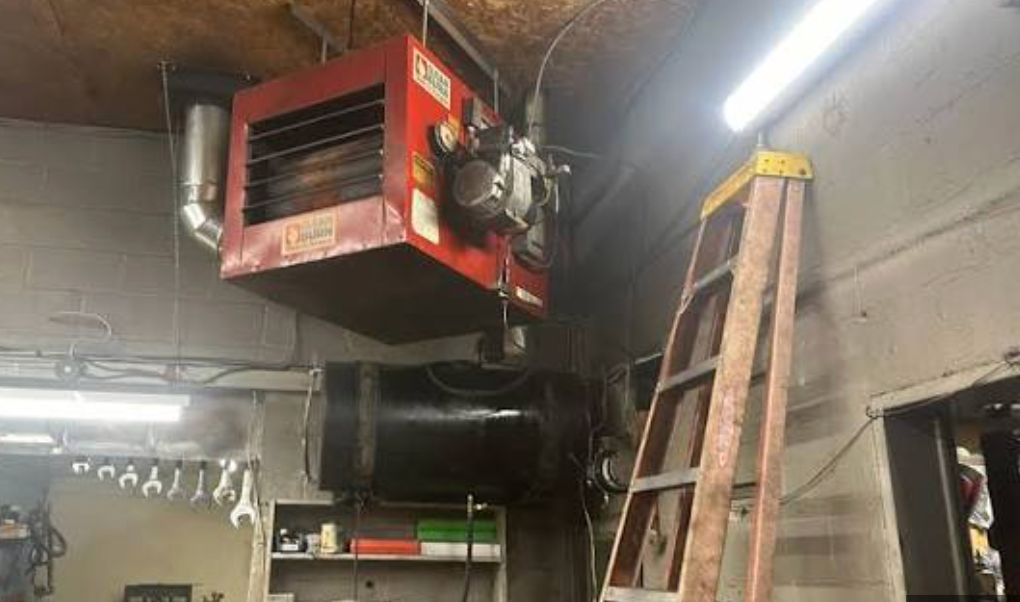
Fog sits on the water in Gig Harbor most of November, and the phone starts ringing after dark. A 1958 rambler, oil furnace in the crawlspace, and the burner fires for ninety seconds and quits. The owner already spent an afternoon searching for heating gig harbor wa contractors who still work on oil, and two of the three she called had dropped that work. Here is the short version of four decades of these calls. An orphaned oil furnace usually needs its burner diagnosed and repaired, not a conversion quote.
The Calls That Come In Every October
October is when the pattern starts. Somebody pushes the thermostat up for the first time since April, the burner runs rough, and unburned oil drifts out of the return. Call after call the complaint is close to identical: short bursts of heat, a knock on startup, a house that never reaches 68. What we find is rarely a furnace at the end of its life. It is a worn nozzle, a soot-glazed chamber, or a pump pressure that drifted low across three winters.
Why Oil Furnaces Get Orphaned By Contractors
Oil work is messy, and the parts counter gets thinner every year. Technicians coming out of school train on heat pumps and inverter equipment, because that is where the volume sits. Trade coverage in July 2026 put the shift in numbers: among homes completed in 2024, heat pumps accounted for 46% of heating systems against 47% for forced-air furnaces.
Cooling pulls the trade the same way, and not for silly reasons. A peer-reviewed analysis in Nature Medicine attributed 61,672 heat-related deaths across Europe between 30 May and 4 September 2022, a figure that moves an industry toward equipment that heats and cools. None of that helps the rambler in the crawlspace. It still has to get through a wet Puget Sound winter on fuel oil.
Reading A Short Cycle On An Oil Burner
A short cycle is a diagnosis, not a verdict. The burner lights, the flame proves, and something then tells the control to shut down early. Start at the cad cell, the little light sensor in the burner housing that watches the flame and locks the system out when it cannot see one. Glaze it with soot and it goes half blind, so the control drops the burner mid-run. A short cycle is a symptom the furnace hands you, not a death sentence for the equipment.
The nozzle is the next stop. A 0.75 gallon-per-hour nozzle worn toward 0.90 sprays a sloppy pattern, and the flame never seats where the sensor expects it. Pump pressure gets checked against the plate, usually 100 psi on the older units around here, and I have pulled gauges reading 80. Then the limit switch, tripping on a plugged filter or a return somebody stacked storage bins against. Nine times out of ten one of those four is the whole story, and the repair runs a service call plus parts.
The Noises That Actually Signal Trouble
Not every sound is an emergency. A rumble at shutdown usually means the burner runs on after the pump seals give up, which points at a worn cutoff. A hard bang on ignition is different, and it is the one I refuse to let people ignore, because raw oil pools in the chamber before the flame catches. These old burners tell on themselves if you stand in the basement long enough.
The Carbon Monoxide Rule I Never Skip
A cracked heat exchanger or a blocked flue puts carbon monoxide into the living space, and the early symptoms read like the flu. If a CO alarm sounds, or anyone feels dizzy, headachy or nauseated, get everyone outside and call 911 before anybody goes near the furnace. Do not open the burner to look. A combustion analyzer settles it afterward, and your nose is not one.
Same discipline covers the generator people drag out during a windstorm, because that exhaust is straight carbon monoxide. Ready.gov tells homeowners to run it at least 20 feet from windows, doors and attached garages, never inside with a door propped open.
What Forty Years Of Oil Heat Taught Us
Oil is not the future of residential heat, and nobody in this trade pretends otherwise. What stays true is that a 1962 burner with a clean nozzle, correct pump pressure and a sound heat exchanger will carry a Gig Harbor house through a wet January. Ask whoever answers the phone whether they stock oil nozzles on the truck, because that answer sorts the field fast. Anyone shopping for heating Gig Harbor WA homeowners can lean on in a December cold snap should ask before the furnace quits. Repair first, and replace when the heat exchanger honestly says so.
