

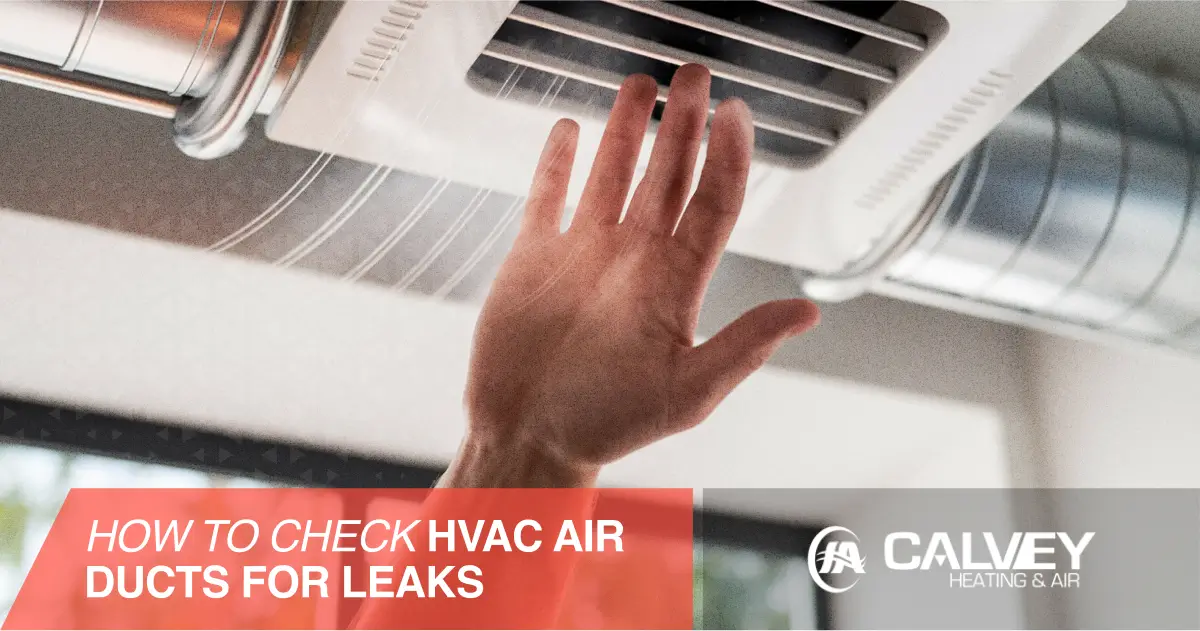
Central air conditioning is a non-negotiable necessity for Arizona homeowners, especially during the brutal summer months when temperatures regularly exceed 110°F. But even the most powerful AC system can struggle to keep your home comfortable if the ductwork delivering that cooled air is compromised. Duct leaks are one of the most common — and most overlooked — causes of inefficient cooling in residential homes.
What Causes Duct Leaks in the First Place?
Ductwork is typically made from sheet metal, fiberglass duct board, or flexible plastic tubing. Over time, the joints and seams connecting these sections can loosen, especially in attics and crawl spaces where temperature fluctuations are extreme. In Arizona, attic temperatures can reach 150°F or higher during summer, which accelerates the deterioration of duct tape, mastic sealant, and flexible duct connections.
Poor initial installation is another major factor. If ducts were not properly sealed during construction, they may have been leaking since the day you moved in. Rodents and pests can also damage ductwork by chewing through flexible ducts to create nesting areas.
Warning Signs Your Ducts May Be Leaking
The most obvious sign is uneven cooling throughout your home. If certain rooms feel significantly warmer than others despite the thermostat being set correctly, leaky ducts may be diverting cooled air into unconditioned spaces like your attic or walls. Other red flags include unusually high energy bills, excessive dust in your home, and rooms that never seem to reach the desired temperature.
You might also notice that your AC system runs constantly without achieving the set temperature. This happens because the cooled air escaping through duct leaks forces the system to work harder and longer to compensate for the loss.
The Real Cost of Ignoring Duct Leaks
According to the U.S. Department of Energy, typical duct systems lose 25 to 40 percent of the heating or cooling energy put out by the central furnace, heat pump, or air conditioner. In a state like Arizona where cooling accounts for a massive portion of your utility bill, that translates to hundreds of dollars wasted annually.
Beyond energy costs, leaky ducts can pull in contaminants from attics, crawl spaces, and garages — including insulation fibers, dust, and even carbon monoxide from gas appliances. This directly impacts your indoor air quality and can aggravate allergies and respiratory conditions.
How Professionals Test for Duct Leaks
A qualified HVAC technician can perform a duct leakage test using specialized equipment. The most common method involves pressurizing the duct system with a calibrated fan and measuring how much air escapes. This gives an accurate reading of total duct leakage and helps identify the most problematic areas.
For homeowners in Gilbert, AZ, having your ducts professionally inspected is particularly important because many homes in the area were built during rapid development periods when construction quality varied significantly. A trusted air conditioning company in Gilbert, AZ can assess your ductwork and recommend targeted repairs rather than a complete replacement.
DIY vs. Professional Duct Sealing
While you can seal accessible duct joints with mastic sealant or metal-backed tape (never standard duct tape, which deteriorates quickly in heat), most ductwork runs through areas that are difficult or dangerous to access. Professional duct sealing services use advanced techniques like Aeroseal, which injects sealant particles into the duct system to seal leaks from the inside out.
Professional sealing typically costs between $1,500 and $3,000 depending on the size of your home and the extent of the leaks, but the energy savings often pay for the service within two to three years.
Prevention and Maintenance Tips
Schedule annual HVAC inspections that include a visual check of accessible ductwork. Replace your air filter every 30 to 60 days during peak cooling season to reduce strain on the system. If you are building a new home or renovating, insist on properly sealed and insulated ductwork from the start — it is far cheaper to do it right during construction than to retrofit later.
Keeping your ducts in good condition is one of the simplest ways to maximize your AC efficiency, lower your energy bills, and maintain healthy indoor air quality throughout the year.
