

Key Takeaways
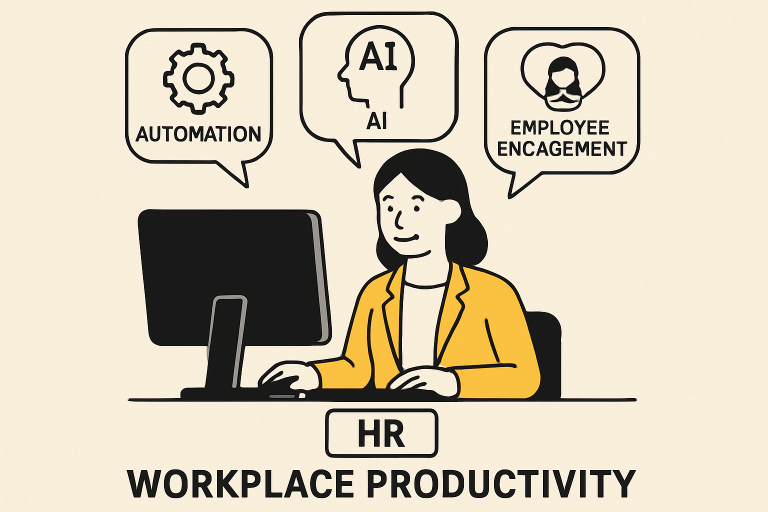
- Implementing streamlined HR services can significantly enhance workplace productivity by automating routine tasks and improving employee engagement.
- Integrating AI and modern technologies into HR processes leads to more efficient operations and better decision-making.
- Outsourcing HR functions to specialized providers allows organizations to focus on core business activities while ensuring compliance and efficiency.
Table of Contents
- Introduction
- The Role of HR in Modern Businesses
- Benefits of Streamlined HR Services
- Leveraging AI in HR Processes
- Outsourcing HR Functions
- Case Studies of Successful HR Transformation
- Challenges and Considerations
- Conclusion
Modern organizations are constantly under pressure to enhance productivity and adapt to rapid marketplace changes. As the workplace fabric becomes increasingly digitized, businesses are turning their focus to optimizing Human Resources (HR) functions. Streamlined HR services deliver significant gains by automating routine tasks and providing managers with timely, actionable insights. Relying on trusted experts, such as this HR services provider, can make it easier for companies to adopt advanced technologies, cut manual workloads, and build a more resilient organizational structure.
HR’s strategic role is increasingly recognized as organizations prioritize reducing administrative friction and enhancing employee experience. Effective HR service delivery enables teams to focus on strategic tasks, such as workforce planning and talent management, resulting in high-performing, adaptable teams. Leveraging technology in HR enhances process accuracy and compliance, enabling a focus on value-added activities. By adopting digital solutions and leveraging external expertise, HR departments support organizational growth and foster a dynamic workplace culture, both crucial for future success.
The Role of HR in Modern Businesses
HR departments are the gateway for all things related to employee engagement, legal compliance, and workforce development. Traditionally, HR functions, including recruitment, benefits administration, payroll, and performance management, have been time-consuming and vulnerable to human error. These inefficiencies can directly impact the employee experience and workplace productivity, making modernization imperative.
Contemporary HR leaders are expected to elevate HR from a transactional support role to a strategic partner within the business. This shift involves leveraging new tools and frameworks that save time, reduce redundancy, and unlock greater potential from the workforce. HR’s role continues to expand as broader digital transformation initiatives intensify, underscoring the need for more agile, technologically advanced systems.
Benefits of Streamlined HR Services
Streamlined HR services offer a range of advantages that enhance overall productivity and employee satisfaction:
- Increased Efficiency: Automation of repetitive and administrative tasks, such as onboarding, leave management, and payroll processing, frees HR professionals to focus on strategic initiatives and problem-solving.
- Enhanced Employee Experience: Timely responses, self-service HR portals, and transparent communications improve employee satisfaction, engagement, and retention.
- Improved Compliance: Automated monitoring and enforcement of regulatory requirements reduce the risk of costly errors and ensure organizations remain up to date with changing labor laws.
Ultimately, streamlined HR services help foster an environment where employees feel supported, and leaders have actionable insights to drive success.
Leveraging AI in HR Processes
Transforming Recruitment and Onboarding
Artificial Intelligence (AI) has become a cornerstone in the evolving landscape of HR management. AI-powered solutions simplify recruitment by screening resumes at scale, predicting candidate fit, and even scheduling interviews, thus accelerating hiring processes and minimizing unconscious bias.
Driving Employee Engagement
AI-driven sentiment analysis tools can gauge employee morale and engagement through communication analysis, pulse surveys, and actionable feedback loops. These capabilities enable organizations to proactively address workforce challenges before they escalate.
Performance Management and Analytics
With AI, HR teams can analyze performance trends, set fair benchmarks, and provide data-driven coaching. According to HR.com’s “State of Today’s HR Technology and Integrations 2025” report, 68% of organizations report increased HR productivity due to their HR technologies.
Outsourcing HR Functions
As demands on HR continue to rise, many organizations are outsourcing key HR functions to specialized providers. Outsourcing unlocks several organizational benefits:
- Cost Savings: Lower expenses by reducing the need for full in-house HR teams and costly infrastructure investments.
- Expertise and Best Practices: Engage specialists with deep knowledge of compliance, labor relations, and talent management trends.
- Scalability: Quickly adjust HR support levels to adapt to organizational growth or contraction as needed.
Modernizing HR through outsourcing enables business leaders to devote more energy to their core operations while gaining access to cutting-edge HR technology and guidance. As highlighted in a recent ISG report, U.S. firms that have improved HR through modernized outsourcing have achieved better business outcomes and more informed decision-making.
Case Studies of Successful HR Transformation
Microsoft’s Three-Year HR Tech Journey
Microsoft provides a compelling case study for large-scale HR transformation. Over three years, the company reimagined its HR technology ecosystem, introducing AI-driven tools that automate HR processes and harness real-time workforce analytics. These changes enabled HR professionals to act more strategically, reducing administrative workload and improving the employee experience. Detailed insights on Microsoft’s journey are explored in their comprehensive HR transformation report.
Other Success Stories
Many mid-sized and large enterprises have achieved similar gains by embracing technology and outsourced HR solutions. Organizations that prioritize digital transformation in their HR departments see improved retention, faster recruitment cycles, and greater overall staff productivity, driving organizational competitiveness in fast-changing markets.
Challenges and Considerations
Data Privacy and Security
Safeguarding employee information during the adoption of HR tech solutions is paramount. Organizations must ensure data privacy, robust cybersecurity, and compliance with global privacy regulations to protect sensitive HR data and maintain trust.
Change Management
Transitioning to new HR systems requires careful planning and communication. Change management strategies should help minimize disruption, manage employee concerns, and promote adoption of new tools and workflows.
Employee Training and Support
Introducing streamlined HR processes and new technologies presents a learning curve for staff. Investing in ongoing support and training is key to ensuring that both HR professionals and end-users get the most from new systems and platforms.
Conclusion
Streamlining HR services is a forward-looking strategy that drives improved workplace productivity and employee satisfaction. By leveraging technology, outsourcing to expert partners, and prioritizing compliance and employee support, organizations of every size can take HR performance to new heights. The result is a more agile business, better equipped to face modern challenges and support long-term growth.
